
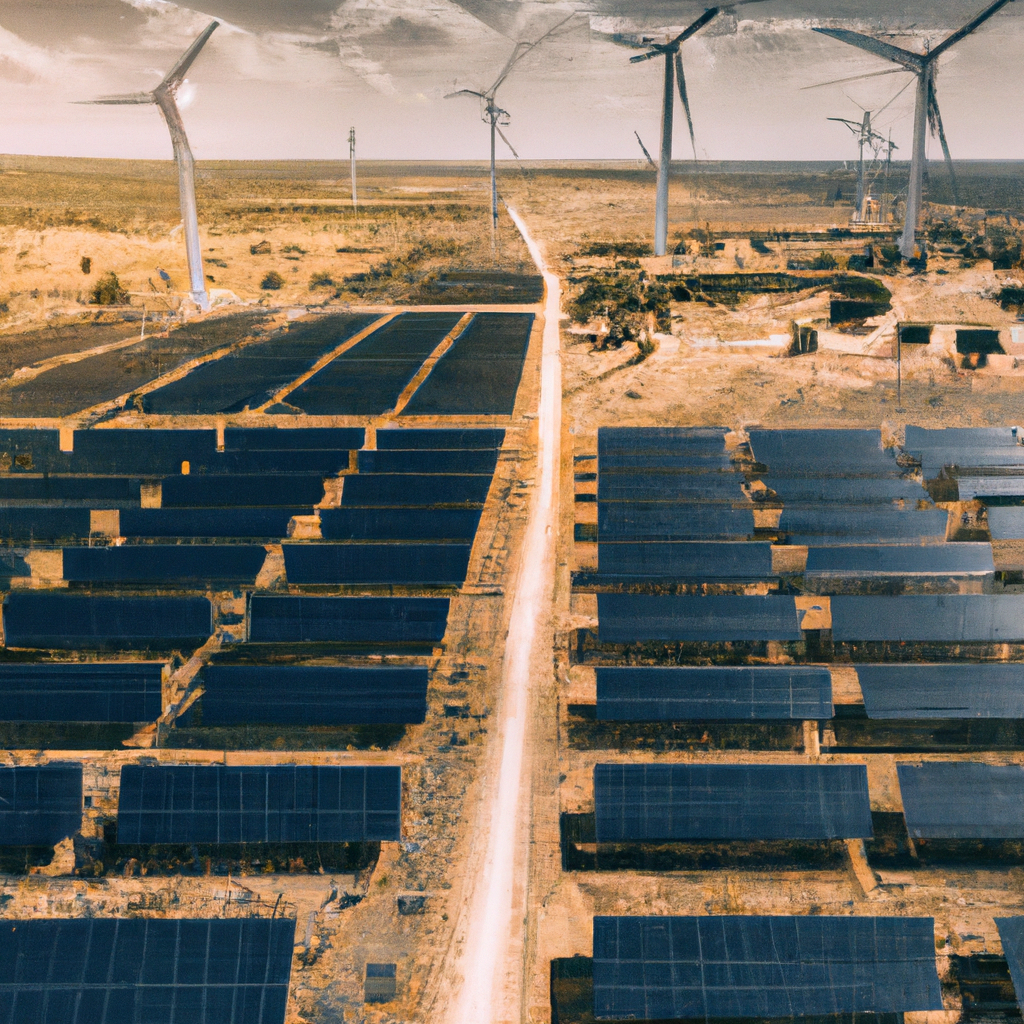
Madrid, 17/12/2025 – Renewables have shifted from occasional peaks to an operational baseline: recent estimates from the Spanish system operator indicate year-on-year renewable generation growth close to 11%, and market transactions —such as Acciona Energía's sale of the 135.7 MW San Juan de Marcona wind farm in Peru— underscore the view that renewable penetration will remain above 50% of the electricity mix in the coming years.
This outcome is both technical and economic. Persistent declines in levelized costs for solar PV and wind, growing installed capacity, and improved generation predictability have reshaped supply curves:
- Installed capacity: massive utility-scale solar rollouts and a mature wind fleet have increased effective capacity during high-generation periods.
- Storage integration: batteries at grid and plant scale shift renewable output to demand hours, reducing reliance on fossil backup during peaks and troughs.
- Market mechanisms: the corporate PPA market and institutional investment flows have accelerated deployments with ROI-focused structures, stabilizing renewable build-out.
Market signals and data
Red Eléctrica's public estimates place renewable generation growth at roughly 11% year-on-year in the latest outlook, aligning with capacity additions reported by major developers and a surge in project M&A activity. Transactions such as Acciona Energía's asset sale in Latin America confirm continued global capital appetite for mature renewable assets.
Grid operation implications
Consolidating a mix above 50% renewables requires investments in flexibility — storage, demand response, and interconnections — and better digital forecasting and dispatch tools. Yet the low marginal costs of renewables and lower operating expenses help dampen price volatility at peak times and improve revenue visibility for investors.
Environmental and economic impact
A sustained >50% renewable baseline means structurally lower system emissions and less exposure to fossil fuel price swings. For corporates and investors, the thesis is ROI-driven: solar and wind projects now offer competitive payback profiles versus conventional assets and deliver stable cashflows via PPAs and capacity markets.
Conclusion
The headline—renewables will "never again" fall below 50% of the mix—reflects more than aspiration: it captures an ongoing transition powered by economics, technology, and finance. The next challenge is not just deploying megawatts but optimizing grid flexibility so that high renewable shares translate into reliability and real economic value.
